



Heading into 2023, there was near-unanimous consensus from Wall Street that the US economy would veer into a recession. Yet throughout the year, US GDP has only strengthened thanks to persistently strong consumer spending. Consumers spent freely coming off the pandemic, as expected. What has surprised economists and Wall Street alike is the longevity of the bounce-back in consumer spending, as most experts thought any accrued pandemic savings would be exhausted by now. This has prompted concerns that US households are overleveraged and are stretching their budgets too thin.
Figure 1. US Consumer Spending, Billions of Dollars
Looking at household liabilities, it does appear that US consumers have taken on increasingly more debt than ever before. US households are holding record levels of debt across most categories, pushing total household debt to $17.06 Trillion as of Q2 2023, including over $1 Trillion in credit card debt.
Figure 2. US Total Household Debt
Yet despite the swelling debt burden, US consumers have been keeping current on their payments thus far. That may be partially attributable to both savings accumulated during the pandemic and the moratorium on student loans, as the below chart shows student loan delinquencies plummeted during the COVID-19 grace period, which just ended. With those payments restarting, those households with resuming student loan payments may need to now cut back on other spending.
Figure 3. Percent of Household Debt 90+ Days Delinquent
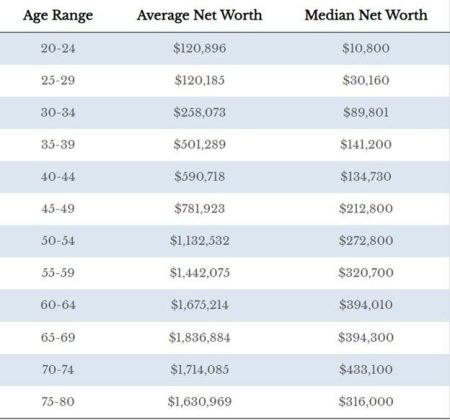
It will take several months before we can accurately gauge the impact of student loan repayments resuming, but for the time being, American households are managing their debt burden and have attained all-time high net worth despite their record high debt. Since the 2009 bottom of the Global Financial Crisis, US household assets have grown 136% while liabilities are up just 40%, and US net worth is up an impressive 160%. Homeownership has been a major driver of household wealth, with roughly 40% of homes mortgage-free and 62% of outstanding mortgages locked in below 4%, providing a valuable source of home equity.
Figure 4. Household Balance Sheets
It appears that the US federal government could take a cue from American households, as the government’s balance sheet looks far less healthy. Looking at the ratio of Federal Debt Held by the Public to GDP, we can see how the Global Financial Crisis and then the COVID-19 pandemic ushered in a new level of Federal debt, which may never return to “normal” levels of the past.
Figure 5. US Federal Debt Held by the Public as Percent of Gross Domestic Product
The trend of rising debt-to-GDP shows how the Federal Government has been willing to repeatedly bail out the economy and financial markets in times of crisis, with increasingly extreme fiscal stimulus. One can debate whether the Fed should be rushing to bail out financial markets or not, but the bigger issue is the unwillingness of US politicians to get their fiscal house in order during times of “normalcy”. US lawmakers failed to reduce spending following the Global Financial Crisis, instead opting to cut federal revenues via the 2017 Tax Cuts and Jobs act, which permanently reduced corporate tax rates from 35% to 21%. Now, with the Federal Reserve determined to keep interest rates higher for longer, the cost of servicing the accumulated debt has skyrocketed.
Figure 6. US Interest Payments on Federal Debt (billions of dollars)
Politicians don’t appear to have an answer. The recent debt ceiling stalemates have been mostly political theater but highlight the dysfunction in government. Bond rating agencies have taken notice of the political climate and ineptitude and have cut the US debt rating and put politicians on notice that further government shutdowns risk additional downgrades, which could add to the cost of the debt burden as foreign nations may reassess their faith in the US government to pay its obligations. A study from the Wharton School of Business estimates that the US has roughly 20 years to take corrective action, after which “no amount of future tax increases or spending cuts could avoid the government defaulting on its debt.”
With US consumers carrying the economy, corporate earnings looking strong, and the cost of government debt at an all time high, now is the perfect time for US policymakers to get their fiscal house in order before the next crisis hits.
Read the full article here