


Tax season can be a stressful time for many individuals, especially high-income taxpayers. With complex tax laws and ever-changing regulations, it can be tempting to seek out shortcuts or schemes to minimize tax liability. One such scheme that has been gaining attention in recent years is the promotion of art donation deductions by certain promoters. These promoters target high-income taxpayers, persuading them to purchase expensive art and then wait to donate it for a larger tax deduction. However, the IRS is cracking down on this illegal practice and taxpayers need to be aware of the consequences.
So, who are these promoters and how do they operate? These promoters are typically individuals or organizations that market themselves as experts in tax planning and wealth management. They use various tactics to lure in high-income taxpayers, often claiming to have inside knowledge of loopholes and strategies that can significantly reduce their tax liability. They may host seminars, send out direct mailings, or use other advertising methods to reach their target audience.
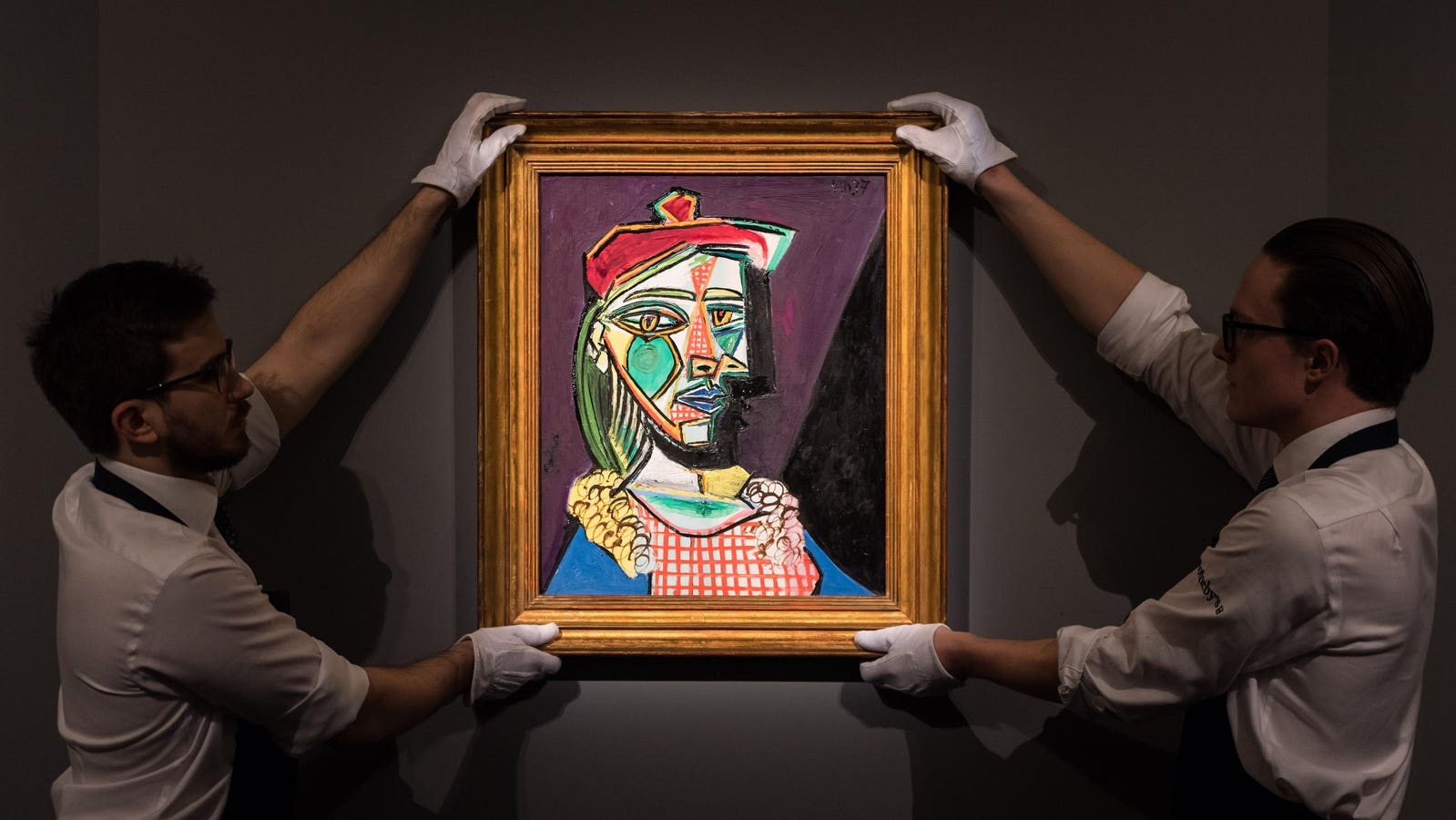
Once they have the attention of a high-income taxpayer, these promoters will pitch the idea of purchasing expensive artwork as a tax-saving strategy. They may claim that the artwork will appreciate in value over time, allowing the taxpayer to make a substantial donation and claim a larger tax deduction in the future. They may even promise to handle all the paperwork and logistics of the donation, making the process seem effortless for the taxpayer.
In reality, however, these promoters are often operating outside of the law. The IRS has specific guidelines and requirements for claiming deductions for art donations, and these promoters may encourage taxpayers to disregard those rules. They may advise taxpayers to overvalue the artwork, inflate the amount of the donation, or fail to properly document the transaction. These actions can lead to severe penalties and legal consequences for the taxpayer.
The Misleading Scheme: How High-Income Taxpayers are Encouraged to Donate Art and Take an Incorrect Deduction
Tax season can be a stressful time for many individuals, especially high-income taxpayers. It’s no wonder that they may be enticed by schemes that promise to minimize their tax liability. One such scheme that has gained attention in recent years is the promotion of art donation deductions by certain promoters. These promoters target high-income taxpayers, persuading them to purchase expensive art and wait to donate it for a larger tax deduction.
The misleading scheme begins with the promoters, who present themselves as tax planning and wealth management experts. They use various tactics, such as seminars and direct mailings, to attract high-income taxpayers. Once they have their attention, they pitch the idea of purchasing expensive artwork as a tax-saving strategy.
The promoters claim that the artwork will appreciate in value over time, allowing the taxpayer to make a substantial donation and claim a larger tax deduction in the future. They even promise to handle all the paperwork and logistics, making it seem effortless for the taxpayer.
However, participating in this scheme can lead to severe consequences. The promoters often encourage taxpayers to disregard IRS guidelines and requirements for claiming deductions for art donations. They may advise taxpayers to overvalue the artwork, inflate the amount of the donation, or fail to properly document the transaction. These actions can result in penalties and legal repercussions for the taxpayer.
To avoid these costly consequences, high-income taxpayers must be cautious when approached by promoters offering questionable tax-saving strategies. It’s crucial to consult with qualified tax professionals or attorneys before making any financial decisions that could have legal implications. The IRS is actively investigating these art donation deduction schemes, and participation can result in serious trouble. Stay informed, comply with tax laws, and protect yourself from falling into the trap of misleading schemes.
IRS Action: Investigations and Penalties for Participants in the Illegal Art Donation Scheme.
While the art donation deduction scheme may seem like an enticing opportunity for high-income taxpayers to minimize their tax liability, the IRS is cracking down on this illegal practice. The consequences for participants can be severe, ranging from penalties to legal repercussions.
The IRS is actively investigating these art donation deduction schemes and taking action against both the promoters and the taxpayers involved. They are using various methods, such as audits and compliance initiatives, to identify individuals who have participated in these misleading schemes.
Once caught, taxpayers can face significant penalties, including fines and the repayment of any incorrect deductions claimed. In some cases, the IRS may even pursue criminal charges for tax evasion. This can lead to not only financial consequences but also damage to one’s reputation and potential legal troubles.
It’s essential for high-income taxpayers to understand that participating in these schemes is not worth the risk. The potential tax savings promised by the promoters pale in comparison to the penalties and legal consequences that can result from their involvement. It’s always best to consult with a qualified tax professional or attorney to ensure compliance with all tax laws and regulations.
Read the full article here