



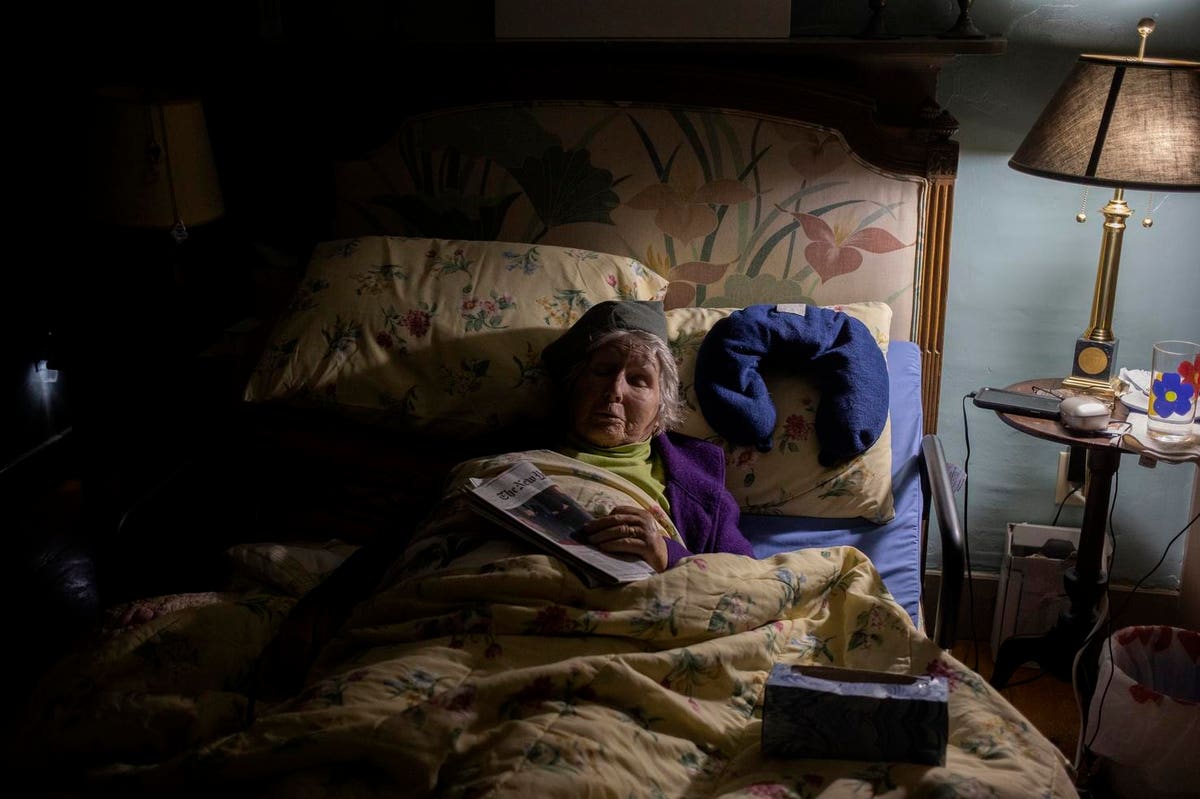
Living with memory loss and other cognitive limitations is hard. But when you can’t remember or can’t process information well enough to make important decisions, and you have no one by your side to support you, life can be extra tough.
Researchers at the University of California San Francisco ((UCSF) estimate that about 4.3 million older adults with cognitive impairment live alone. Nearly half struggle to manage routine tasks of daily life, such as dressing, cooking, or shopping. Three-quarters say they have trouble finding help from family members, community groups, government, or paid aides.
About two-thirds of those living alone are women, most widowed, divorced, or never-married. They are disproportionately Black. Only about one-in-five is covered by Medicaid, but overall those living alone have substantially less liquid wealth than those living with others. On average, they are age 76, about four years older than those with memory loss who share a home.
Learning More
As it did with so many older adults, the pandemic may have made matters even worse for this population. One small study found that it increased their (already-severe) isolation and made them more vulnerable to misinformation about the virus.
Keep in mind that not all those living alone with cognitive impairments have full-blown dementia such as Alzheimer’s disease. In this study, about 1 million older adults had “probable dementia” but another 3.3 million had some impairment that fell short of dementia.
To help learn more about those living alone with cognitive limitations and to shine a light on their challenges, USCF has begun a program called Living Alone With Cognitive Impairment. The program’s research can help inform changes in policy and care delivery that aim to better support these older adults.
The Help They Need
For example, they may need paid personal assistance, help with transportation and care coordination, and meals deliveries. Many also would benefit from adult day programs, an organized program of friendly visitors, or other supports that can help reduce their social isolation.
In some states, Medicaid provides this kind of help. But in most, Medicaid falls far short, especially if an enrollee does not have a family member as a primary caregiver. And for middle-income people who are not eligible for Medicaid and do not have the resources to purchase high levels of assistance, there are depressingly few options.
Another challenge those living alone face is difficulty developing relationships with physicians, nurses, therapists, and other providers. Those connections are especially important for those with conditions such as cognitive impairment, especially if it progresses. And without good communication with doctors and other clinicians, it is especially hard for them to understand how their condition is changing and what they can do manage it.
More Than New Drugs
A major UCSF study, first published in 2020, provides important information about people with cognitive limitations who live alone. It was based on a big national study of older adults called the Health and Retirement Survey that provides information on the medical and social status of thousands of older adults over a long period of time.
But the HRS has one big limitation: It relies on self-reported answers from those with cognitive limitations who may not be able to respond accurately. In some cases, family members or other proxies answer questions, and their impressions may not always be accurate. Still, surveys such as this provide an important look into the lives of older adults over many years.
These days, much attention is focused on the pros and cons of high-profile new drugs for people with early-stage Alzheimer’s disease. Yet relatively few observers are thinking about the day-to-day needs of millions of people who are living with cognitive limitations. And even fewer have zeroed in on those who are living alone.
Relatively few people who are struggling with memory loss will benefit from anti-Alzheimer’s drugs such as Leqembi. For some, their dementia will have progressed too far. For others, the health benefits may not outweigh the risks. Many will be unable to get to clinics or hospitals for drug infusions or for the scans they’ll need to accompany the drug. Others can’t afford out-of-pocket costs that for many will exceed $5,000 annually, even when Medicare pays.
But the work at UCSF makes more visible the special challenges of the millions of older adults who are living alone with cognitive impairment. And it is important evidence that shows how badly these people need supports and services, especially if they are going to remain in their homes. It is assistance that the current long-term care system in the US too rarely provides, but should.
Read the full article here