



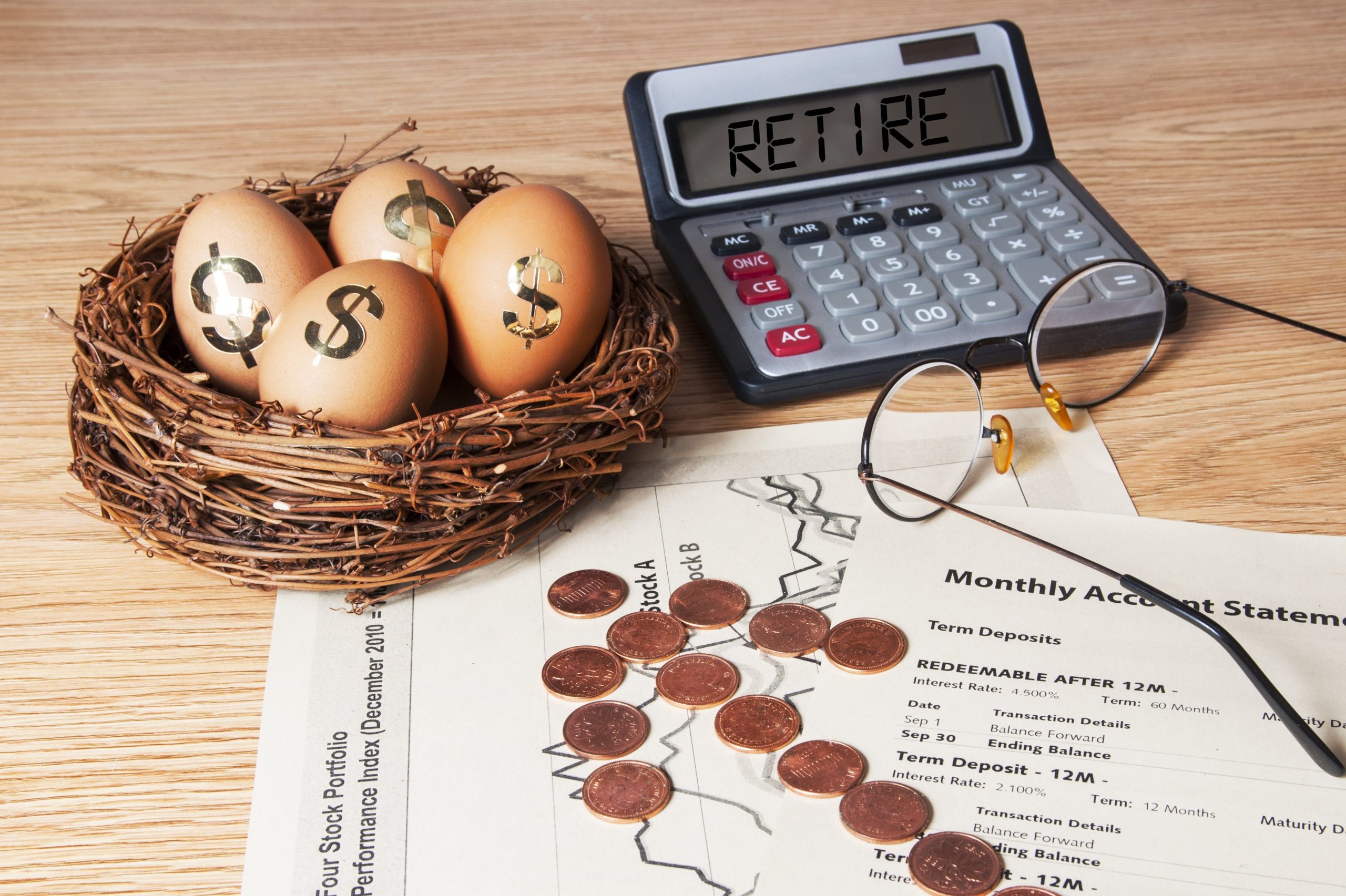
You can’t avoid market volatility; it reaches into every corner of the economy and touches all investors in some way. That includes your retirement accounts. For most people, this type of long-term savings is the most interaction they have with the investment world. So how do you know what to do when it seems like things aren’t working in your favor? We outline what you need to know about market volatility (i.e. when the markets take you on a roller coaster ride), and what you can do to manage the risk in your retirement portfolio.
What is Market Volatility and why does it affect your investments?
When you hear people on the news talking about “market volatility,” they’re referring simply to the normal up’s and down’s of the stock market. While these changes are inevitable, and at times expected, they occur on an inconsistent basis and it makes sense that at times, these movements can be quite unnerving for the average investor. Frequently, an increase in market volatility is met with panic-induced selling as investors rush to the sidelines.
There are countless factors that can affect how the markets behave on a day-to-day basis, but when you’re saving for the long haul, this daily activity shouldn’t be a significant indicator of how you’re long-term investments will perform.
What can you do to take control of your investments during a downturn?
Hearing about any given day or week’s less than stellar stock market performance may have you feeling like your investments are doomed, but that isn’t necessarily true. Throughout your life, you will have to employ many actions and efforts to keep your investments healthy. Here are some things you can do to keep your 401(k), IRA, or other retirement accounts on track:
1. Diversify your portfolio
Diversifying your investments won’t necessarily boost performance, but it may reduce the volatility in your portfolio. Diversifying basically ensures that all your eggs aren’t in one basket. The goal is to invest in asset classes that don’t move in sync with each other. At times, bad news in a specific asset class may benefit another asset class thus resulting in one going down and the other going up. This has become harder over the years as the correlation between asset classes has increased in what has become a risk-on, risk-off world, reducing some of the benefits of diversification. Even so, we believe in the long-term benefits of diversification and recommend incorporating a mix of stocks, bonds and cash in your portfolio.
2. Dollar Cost Averaging and staying invested
Dollar Cost Averaging (DCA) is “the technique of buying a fixed dollar amount of a particular investment on a regular schedule, regardless of the share price.” Consistently investing no matter the market’s volatility will allow several things to happen. You will less likely feel the anxiety associated with market fluctuations; you will develop a disciplined routine of investing in both good and bad markets without worrying if you are making a good short-term investment. Essentially, your purchases will “average” out over the years. Most of us engage in dollar cost averaging by adding to our 401ks every pay-period.
3. Rebalance your portfolio
No one knows who said “The key to keeping your balance is knowing when you’ve lost it,” but that definitely applies to this investing tactic. The purpose of rebalancing your portfolio is to help increase returns and maintain the risk tolerance set for the portfolio. Overall rebalancing a portfolio is the “process of buying and selling portions of your portfolio in order to set the weight of each asset class back to its original state.” You can rebalance your portfolio a variety of ways depending on your goals, strategy, and tolerance for risk.
- Calendar Rebalancing- Occurs on a set time interval such as monthly, quarterly or annually. Many platforms now offer an option for auto-re balancing, usually quarterly, semi-annually, or annually.
- Range Band Rebalancing- Works according to your asset class’ target allocation and rebalancing happens when those ranges have been passed.
- Volatility Rebalancing- This method is similar in theory to the range band method, but the ranges are set around the volatility of the assets. This method allows assets that are more volatile wider range fluctuations.
You may want to consider rebalancing your portfolio one to four times a year. Calendar rebalancing is the easiest way to consistently reblance without having to make constant decision. If you work with a financial advisor they should take care of doing this for you.
4. Confirm your investment allocation aligns with your risk tolerance
Risk tolerance is understanding and determining how much market flux, in relation to its impact on your investments, you’re willing to deal with. This involves recognizing your level of comfort for risk, the amount of loss you’re willing to incur and even your age as a factor for risk tolerance.
If you’re a young investor, maybe in your mid-20s to mid-30s, you have more time to recoup any losses that may occur due to market volatility in your retirement account. You can stand to take short-term losses in favor of long-term gains, which is why a more aggressive investment strategy is recommended to people who still have decades until they’ll need the funds for retirement.
The general rule is you reduce the risk profile of your portfolio as you get closer to retirement. Many of us now have the option to invest in Target Date Funds in our 401(k)’s. These investment vehicles are designed to automatically reduce the risk in your portfolio as you move closer to your “target” retirement date. If you are not using a Target date Fund, then you need to actively monitor and manage the risk in your portfolio as you move closer to retirement.
5. Work with a financial advisor
A financial advisor works with you to determine your investment goals and help you meet them. While some people may have the opportunity to work with a financial advisor through their employer-sponsored retirement plan, many do not. It is true that most advisors require the people they work with to have a certain amount in investable assets, but there are plenty of new services out there to guide you through the investment world.
Overall, the market is a daunting and overwhelming environment that even seasoned investors need help navigating at times. However, the best thing to remember is to maintain control of your emotions, know that you’ve been educated and empowered to maintain your financial assets. For most people, they’re saving for the long-term and taking your money out of the market at the first sign of some bumps in the road will only negatively impact your portfolio’s ability to grow.
It’s important to not be too short-sighted, always attempting the impossible when trying to outguess the direction of the markets. As Warren Buffett once said, “Someone is sitting in the shade today because someone planted a tree a long time ago.”
Read the full article here