


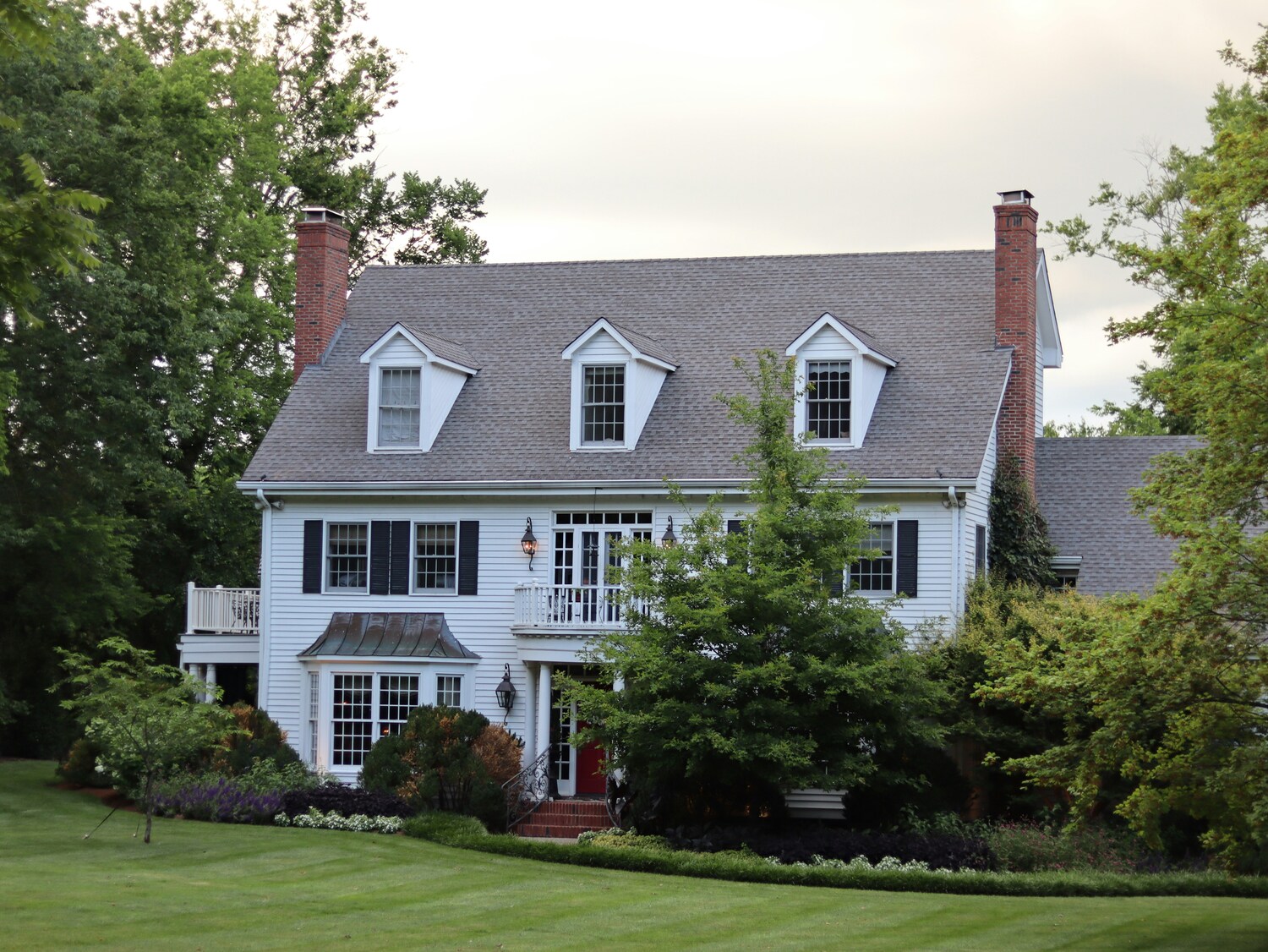
On paper, it looks like you’re thriving. You own your home outright, or have significant equity in a property that’s appreciated for years. Maybe it’s even worth half a million dollars or more. But there’s one uncomfortable truth many homeowners avoid confronting: all that wealth is tied up in something you can’t easily spend. You’re “house rich” but cash poor.
This scenario is increasingly common among retirees and aging homeowners. Their homes have soared in value, but their liquid savings haven’t kept pace. They live in desirable zip codes but struggle to pay rising property taxes, health care costs, or even groceries. From the outside, their lives seem stable. Internally, they’re juggling bills and quietly slipping into financial stress.
This disconnect between asset wealth and cash flow creates a dangerous blind spot, especially for those who delay downsizing or resist tapping home equity for fear of losing what feels like their financial identity. But the dangers of being “house rich and cash poor” go far beyond inconvenience. In many cases, it’s a slow financial leak that can drain retirement security and limit choices just when flexibility matters most.
1. You Can’t Pay Bills With Drywall
Owning a valuable home offers peace of mind, but it doesn’t automatically provide day-to-day security. If your income is fixed—or if your savings are limited, you may find yourself struggling to afford routine expenses even while technically being a half-millionaire on paper.
The problem is liquidity. Your home isn’t a checking account. You can’t sell off the guest bedroom to cover a car repair. This means everyday costs like groceries, utilities, medical bills, and home maintenance must come from a dwindling pile of cash or credit. Over time, this imbalance puts pressure on your financial reserves, leading to increased debt or skipped expenses that can compound other problems.
People in this position often avoid asking for help because they believe they’re “not poor.” But wealth that can’t be accessed might as well not exist when real-world costs show up each month, and compound across a retirement timeline.
2. Maintenance and Repairs Don’t Wait for Better Timing
One of the most overlooked dangers of being house rich is that owning property is not a passive investment. Homes age, pipes burst, HVAC systems fail, and roofs need replacing. These aren’t optional expenses, and they rarely happen when you feel ready.
If you’re cash poor, a single emergency repair can upend your monthly budget. Even routine upkeep becomes stressful, leading some homeowners to delay repairs until the issue worsens. Ironically, this can lower the value of the very asset you’re relying on for long-term security.
Many retirees are stunned to find themselves putting major expenses on credit cards or dipping into emergency savings just to keep their home functional. Without adequate liquid funds, your “wealth” starts becoming more of a liability than a safety net.
3. Property Taxes and Insurance Are Growing Faster Than Incomes
As home values rise, so do property taxes. In some areas, those taxes have doubled or tripled in less than a decade. For older homeowners on a fixed income, this creates a cruel twist: the more your home is worth, the more you pay to keep it, and the less cash you may have to enjoy retirement.
Insurance premiums are another creeping threat. With climate risks increasing, many insurers are raising rates or pulling out of certain regions entirely. Aging homes also cost more to insure. That means even if your mortgage is gone, your monthly housing costs can balloon, without any increase in your income to cover it.
Homeowners in their 60s and 70s often find themselves house rich but trapped by rising non-negotiable costs. These aren’t luxuries—they’re the price of keeping a roof over your head. And they don’t stop for retirement.
4. Downsizing Isn’t as Simple or Profitable as You Think
One common solution to being house rich and cash poor is downsizing. In theory, it sounds smart: sell your valuable home, buy something smaller, and pocket the difference. But in practice, the numbers rarely work out as cleanly as people imagine.
First, the costs of moving—agent fees, closing costs, moving services, and repairs to prepare your current home for sale—can consume tens of thousands of dollars. Second, smaller homes in desirable areas are in high demand and often not significantly cheaper than what you already own. You may not get the cash windfall you were expecting.
Many retirees also find themselves emotionally unprepared for downsizing. Memories, routines, and social networks are tied to their current home. This emotional resistance can delay action until it’s no longer optional, at which point they’re selling under pressure, not strategy.
5. Home Equity Loans and Reverse Mortgages Aren’t Risk-Free
If you’re cash poor but sitting on home equity, you may be tempted to tap into it through a home equity loan, line of credit, or reverse mortgage. These options can provide breathing room, but they’re not without cost or consequence.
Home equity loans increase your debt load and often come with higher interest rates for retirees. If your income is tight, repayment can quickly become burdensome. Reverse mortgages offer more flexibility, but they reduce the equity available to heirs and can complicate future selling or inheritance planning.
Worst of all, many homeowners don’t fully understand the fine print. What feels like a solution in the short term can lead to regret later, especially if your health changes or your housing needs shift unexpectedly. It’s easy to overlook the long-term impact when you’re just trying to pay this month’s bills.
6. Emergency Flexibility Is Nearly Nonexistent
Life is unpredictable, especially as we age. Medical events, mobility issues, the loss of a spouse, or the need to move closer to family can all create sudden, pressing needs. If your wealth is tied up in a home and you have little in cash, you may find yourself unable to act quickly when these emergencies arise.
Inflexibility is dangerous. Being unable to move, relocate, or access funds quickly can delay care, reduce options, and increase stress at a time when you’re already vulnerable. You may end up having to sell under duress, or borrow at terrible terms, simply to meet an urgent need.
Cash gives you choices. Equity gives you value, but only if you have the time and resources to extract it. Without both, you’re one life event away from serious financial strain.
7. Lifestyle Creep Can Mask the Problem
Many homeowners don’t realize how cash poor they’ve become because their lives still look comfortable from the outside. They live in a nice neighborhood, own their car, and maintain familiar routines. But underneath that surface, they’re making trade-offs—cutting prescriptions in half, avoiding dental visits, or skipping travel to save money.
This slow erosion of lifestyle can go unnoticed until it’s too late. People assume they’re doing fine because they’re not visibly struggling. But small sacrifices build over time. The pressure compounds. And by the time they acknowledge the problem, they may feel it’s too late to make a meaningful change.
This is particularly common among those who fear admitting weakness to adult children or peers. Pride and the desire to maintain appearances can keep people from acknowledging just how precarious their finances have become.
8. It Can Jeopardize Your Legacy and Your Dignity
Finally, being house rich and cash poor can sabotage one of the biggest goals many retirees hold: leaving behind a legacy and maintaining independence. If your home is your only asset and your cash is depleted, you may eventually need to sell under stress, borrow against your equity, or rely on family for support.
This can create resentment, conflict, and emotional strain. Adult children may be shocked to find that their presumed inheritance has been consumed by late-life expenses. Or worse, they may be called upon to help pay for care, housing, or emergencies.
The danger isn’t just financial. It’s relational. When money issues arise late in life, they often come with shame, fear, and tension. Planning ahead, acknowledging limits, and making proactive decisions are critical to preserving not just your finances, but your relationships and dignity.
Don’t Let Your House Become a Gilded Cage
Being house rich and cash poor is a quiet crisis. It doesn’t show up in flashy headlines or monthly account statements, but it shows up in the stress of unpaid bills, in postponed medical care, and in the gnawing fear of outliving your money. A valuable home doesn’t guarantee financial stability unless you have access to the funds you need to live well and adapt.
If you suspect you might be in this situation or headed toward it, it’s not too late to take control. Whether that means downsizing, rebalancing your assets, or simply starting a real conversation with a financial advisor or family member, the first step is facing the truth.
So what about you? Have you ever felt “rich” on paper but squeezed in real life? What trade-offs are you making to stay in your home, and are they really worth it?
Read More:
What Real Estate Investors Don’t Want Retired Homeowners to Know
Think Twice: These Investments Could Wreck Your Future
Read the full article here