



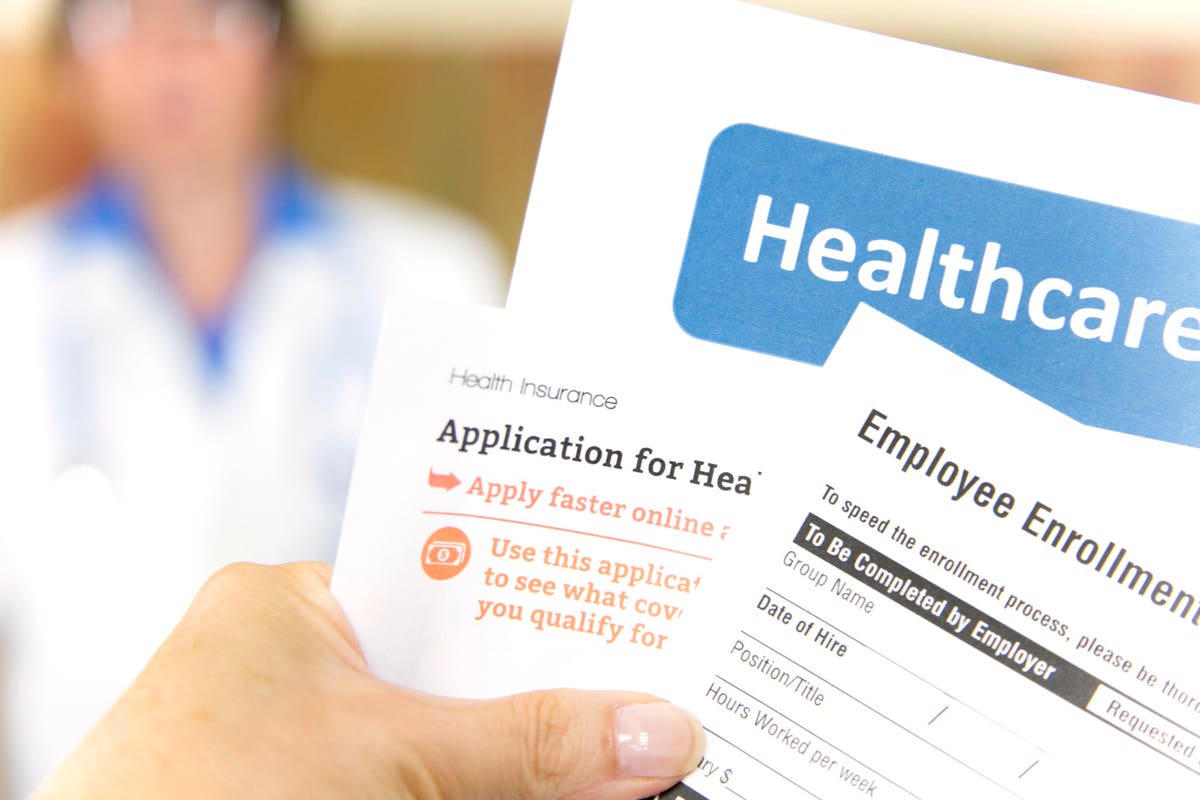
Studies have shown that a large percentage of employees often automatically choose low-deductible health insurance plan options that ultimately cost them more. Another study found that inertia — sticking with the same plan, rather than evaluating the options each year and choosing a better one — cost workers an average of $2,032 or more annually. As the annual open enrollment period for employer-provided health insurance plans approaches, millions of Americans will face this crucial decision. Let’s explore some of the key areas to incorporate into your decision making so that you make the most informed choice based on your expected needs:
Premiums:
The first thing that may catch your eye is the premium—the fixed amount you’ll pay for coverage. However, remember that the plan with the lowest premiums might not necessarily be the most cost-effective option in the long run. Your total out-of-pocket cost for health insurance can go far beyond the premiums, so it’s essential not to base your decision solely on this factor.
Coverage Differences:
Ensure that the plan you select aligns with your specific healthcare needs. If you want to keep your current primary doctor and healthcare providers, check if they are in-network to avoid higher costs. Additionally, examine how well the plan covers any expected medical procedures or prescription medications for the upcoming year. You can get this information by contacting the insurance provider or leveraging your health care advocate benefit if provided by your employer.
Out-Of-Pocket Costs:
Consider the various out-of-pocket expenses. These include co-pays for doctor visits and prescriptions, deductibles (the amount you must pay before insurance coverage fully kicks in), coinsurance (the percentage of costs you’re responsible for), and the annual out-of-pocket maximum (the most you’ll have to pay in a year, with the rest covered by insurance, assuming you stay in-network). You can access a useful glossary of health insurance terminology here.
Health Savings Account Options:
Does the plan offer a health savings account (HSA)? An HSA allows you and your employer to contribute pre-tax funds, which can be used tax-free for qualified medical expenses for you, your spouse, and eligible dependents. However, you typically need to enroll in an eligible high-deductible health plan to contribute to an HSA. Unlike flexible spending accounts (FSAs), you can retain any unused funds in the HSA and even invest them for potential growth. At age 65, you can withdraw money for any purpose without penalties, and it becomes tax-free for healthcare expenses, including some Medicare premiums.
For these reasons, you may want to consider using other savings for healthcare expenses and letting your HSA grow tax-deferred for future needs. Also, don’t forget to keep receipts for any non-HSA money you spend on unclaimed qualified medical expenses incurred while you were HSA-eligible since you can reimburse yourself tax-free from your HSA at any time. You can read more about the additional benefits of HSAs here.
How To Value The HSA:
There are multiple ways to assess the value of an HSA. If your employer contributes to it, that’s essentially free money that can offset your out-of-pocket expenses. In addition, if you plan to contribute, calculate your potential tax savings, which can be substantial compared to contributing to an FSA with lower contribution limits. You can do the same analysis for the FSA-eligible medical plans.
Putting It All Together:
Let’s consider a real case: An employee was torn between a traditional PPO plan with a $1,000 family deductible and an HSA plan with a $2,600 family deductible. Although coverage levels were similar, she was concerned about the potential out-of-pocket costs with the HSA plan.
However, the PPO plan had higher monthly premiums, costing her an extra $49 per month or $588 per year. Additionally, her employer would contribute $2,000 to her HSA. The combined savings ($2,588) already surpassed the difference in deductibles ($1,600). Even if she spent the full $2,600, she’d still be financially ahead with the high-deductible plan. Moreover, if she decided to maximize her HSA contributions, she would save about an extra $1,500 in federal taxes at the 24% tax bracket (excluding potential tax savings on future account earnings).
When you look at your situation, think similarly. Then add to it any expected non-preventive usage (which is typically 100% covered) for the year. Things like specialist visits, physical therapy, surgery, and any emergency room visits for the risk-taking members of your household can help you get an accurate guesstimate of your expected costs. A lot of employers even offer AI assistants like ALEX that will guide you through the numbers for your situation, including the potential savings of an HSA or FSA so be sure to explore your benefits offering or ask your human resources contact as this will help simplify your efforts.
Remember, your circumstances will differ, and your decision may not be as clear-cut. The essential takeaway is to consider all factors, not just premiums and deductibles. Don’t underestimate the value of an HSA, both in the present and for future financial well-being, or the FSA for that matter. If you’re still unsure after weighing your options, it may be wise to consult with an unbiased financial planner well-versed in health insurance and HSAs. Your employer might already offer you access to one for free through your financial wellness benefit.
Read the full article here